Wolf of Ball Street: Zion Williamson and Kemba Walker
BUY: ZION
In many players’ rookie year, hoops fans are more impatient than Augustus Gloop at Willy Wonka’s Chocolate Factory to pigeonhole stars into titanium boxes of “Star” and “Bust.” Zion Williamson walked into the NBA perhaps the most hyped prospect since LeBron James. When a torn meniscus kept him out until January, basketball junkies had time to speculate. After an ELECTRIC debut, it was a fun, albeit quiet few months, followed by an underwhelming run in the bubble after many hyped up his strides in the gym during quarantine. The Year 2 jump was very real for Williamson, who looks even more impressive than many expected for his sophomore season.
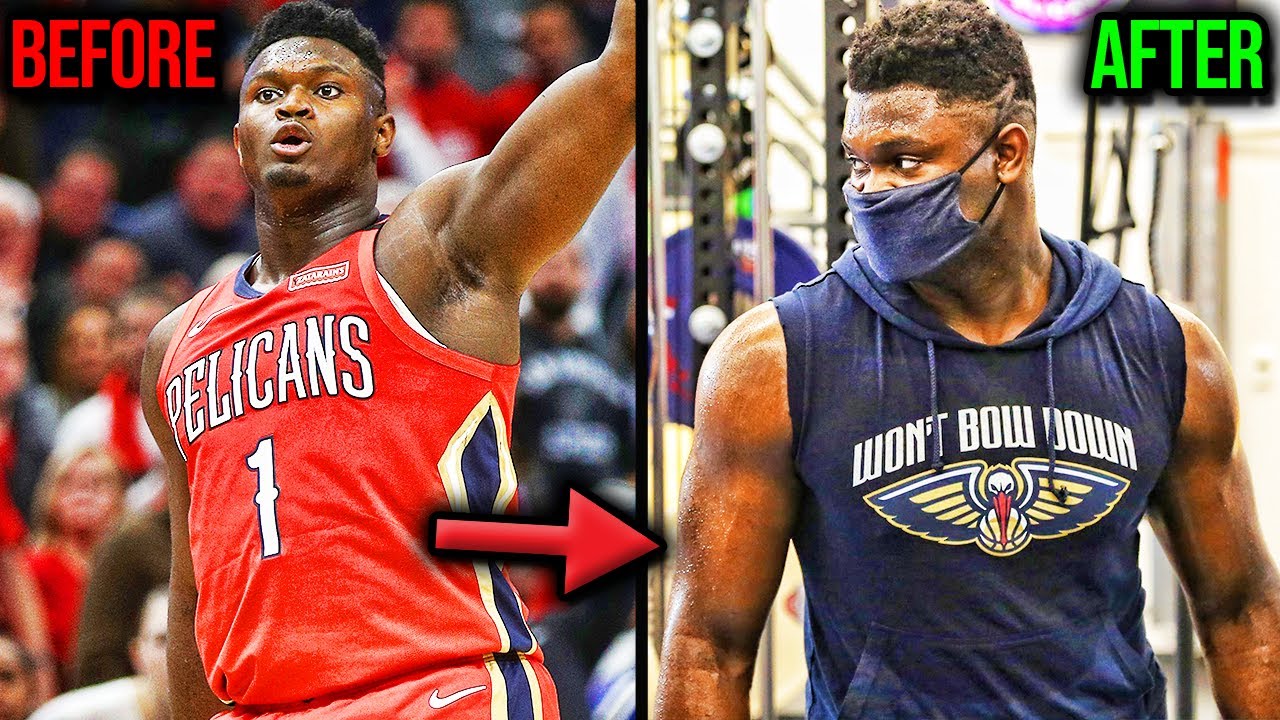
Many are wondering, how has Zion stepped up following an offseason shorter than a Drew Brees pass? The better question is, how HASN’T Williamson taken it to the next level in Stan Van Gundy’s stint in New Orleans?
He enjoys higher assists and lower turnovers, in terms of per game, per 36 minutes, per 100 possessions, and as a percentage. On more attempts, Zion shoots better from the field and from the line, leading to higher scoring totals. His net rating per 100 possessions is up 9 points.
Defensively, his growth is more convoluted than the storylines on The Flash. Baseline numbers such as steals and blocks look better. Stats such as defensive win shares and defensive box plus-minus show improvements, but Zion’s defensive net rating, along with his defensive RAPTOR have worsened. Evidently, he’s still figuring it out on that end, but as one of the great physical specimens in the game of basketball since Phog Allen went up for a layup, Zion has the physical skills to destroy, as plays like this (still the most DOMINANT play I’ve ever seen on a college basketball court, and perhaps the most BIBLICAL block of all-time, NBA included) show. Williamson is many, many, many things on the basketball court. One of them is not lukewarm. Like installments in The Karate Kid franchise, every defensive possession where he plays a key role leads to enthusiastic screaming, either positive or negative.
Early this year, Williamson is making some solid defensive rotations. In this example, he makes terrific reads to seal lanes to the hoop, saving an easy two. On both plays, #1 is whistled for a foul. That’s OK - with Zion averaging under 2.5 fouls per game, he can afford to make some aggressive plays every game. Those assertive rotations lead to highlight plays, taking points off the board and populating my YouTube Recommended with spectacular swats. Zion isn’t just a bulky rim protector either: here, he steps out behind the 3-point line and defends LeBron.
Some have questioned Zion’s effort on the defensive end as the Duke phenom fails to take the few steps necessary to close out on an open shooter. Ironically, that debacle was a mirror image of his aforementioned block against Virginia. Fortunately, for avoidance of the combustion of my head, Williamson simply dragged his feet and OG Anunoby drilled a corner three. Defensive positioning is another slight issue, with Zion occasionally failing to read the offense. This season, he was handed a pair of glasses and suddenly had 20/20 vision on offense. True story. Hopefully, he can develop a similar pair of spectacles on the other end of the floor. Effort and IQ are the only question marks for his defensive game, and it’s much easier to learn that in a few years than to become one of the best athletes in the entire NBA.

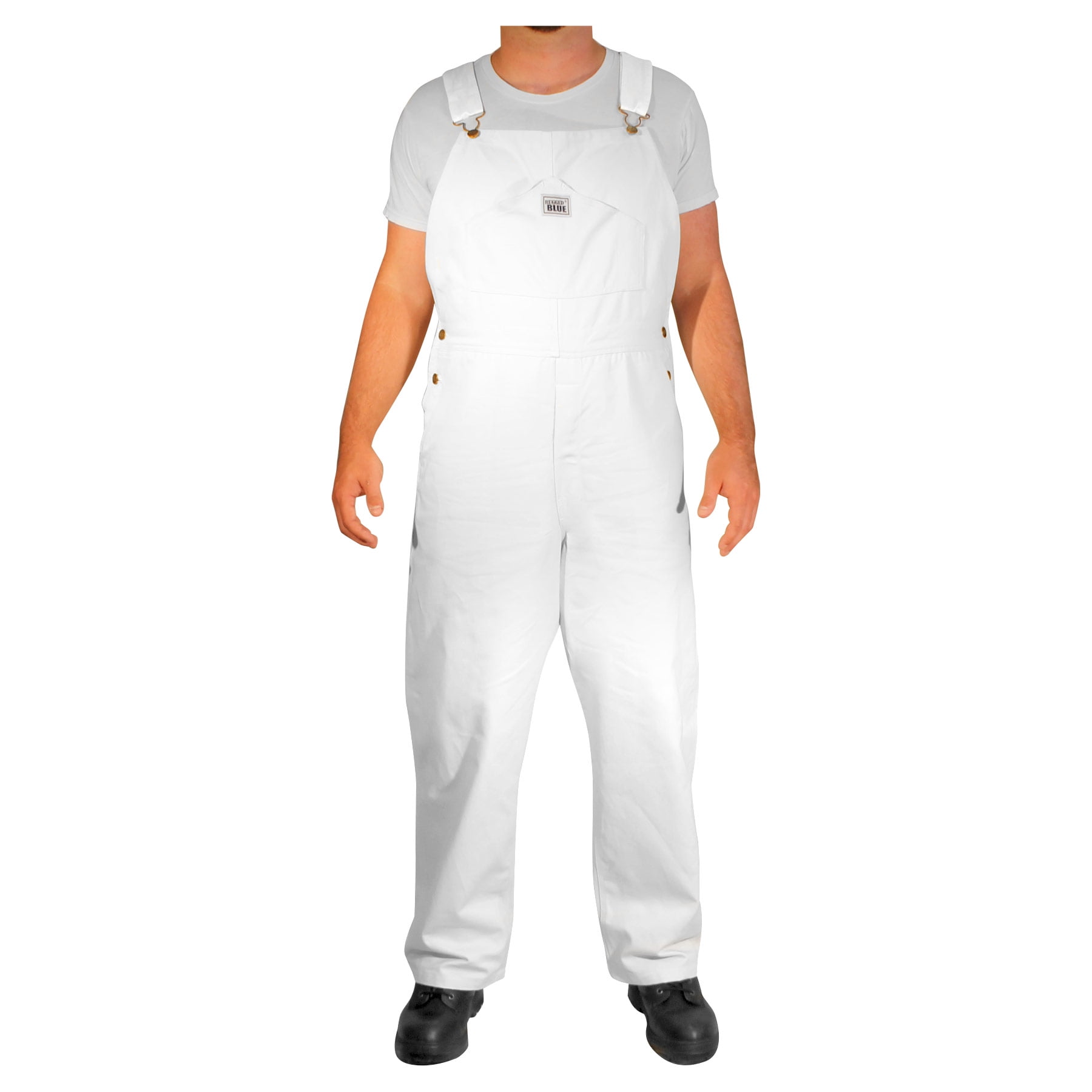
Zion’s game does focus on the paint, and will center around the interior in the future, prompting the Pelicans to consider painter overalls for their alternate uniforms. True story. In college, he shot 11 two-point attempts every game, making nearly 3 of every 4. Both seasons in the NBA, his average field goal attempt isn’t much more than 3 feet from the hoop, with his shots getting slightly closer to the basket this year. Those shots at the rim also improved in efficiency, with Zion seeing a 2% jump in FG% from 0-3 feet and an 11! percent bump in shots fired in the 3-10 foot range. However, the numbers don’t come close to telling the entire story.
On paper, the sophomore campaign appears to be old hat compared to his freshman year at Duke and rookie season in New Orleans. The truth is, Zion’s play looks extremely different this time around, utilizing more dribble drive and penetration, and fewer post-ups. At Duke, Zion’s first big moment came on a slam off the dribble, but bully ball became his bread and butter, with Coach K loving nothing more than these sets, aside from popping bubble wrap. During his move to the NBA, Zion’s share of plays centering around interior play types increased from 44.9% with the Blue Devils to 59.2% in year one for the Pels, according to The Bird Writes.
Zion’s magnificent play inside could convert Sister Jean from Catholicism to a devout member of the Church of Low Post Bigs. He put together this submission for the Andre Drummond Hall of Fame in one game as a rookie. It just isn’t an efficient shot, with Shot Tracker pegging its points per possession value at 0.88 points, worse than virtually every other type of play. This is reflected in Zion’s numbers, shooting 48.6% last year, and 50.6% this season on post-ups, compared to career efficiency over 60% from the field. Williamson subtracted many of those, deducting about one post-up per game from last year to this one, with frequency also down almost 5%. Suddenly, those shots are shifting into plays like this and this off the drive.
Zion was given two otherworldly abilities (in addition to his strength, power, and an entire Swiss military troop worth of other skills) - the speed to blow by Giannis and the ability to watch the Avengers films and cheer for Thanos. It’s pleasing to see Stan Van Gundy take advantage of those, by painting Zion purple and playing one on everybody. Zion won, and half the Pelicans’ roster was cut. True story. SVG also employs Zion’s other (admittedly less cool) attribute of amazing speed for a player of his size. His drives have more than doubled from Y1-Y2, with FG percentage increasing by 13% on those drives. Get ready for more of THIS.
Invest in Zion. It seems obvious, since his equity should be worth more than a Dr. Evil nuclear threat. However, if you could buy Zoom stock in April, wouldn’t you? I’m not sure if you heard, but Zion Williamson’s potential is somewhat high. Those are the hot takes you come here for. Even more than that, brace yourself for some FUN. This year for Williamson is gonna be a blast - get ready to get bored by spectacular plays like these, as Williamson makes these soar to score buckets commonplace.
SELL: Kemba Walker
Kemba Walker missed the start of the year with a knee injury. Since his return, he’s looked like a shell of himself. Sports Illustrated’s Chris Herring perfectly illustrated Blake Griffin’s difficulties entering the decade of NBA Top Shot, Dogecoin, and GameStop. (Sadly, the article does not focus on the former Sooner’s inability to trade stocks and virtual currencies) For Blake, a sudden drop-off has occurred, as mileage and one too many injuries forced him to crash from a steady 24 PPG guy in Detroit, to a player who has trouble staying on the court, and provides no guarantee of a double digit game in the points column when he can.
Walker and Griffin may share a bad set of knees (them just pooling together two decent knees and trading nights using the joints would explain A LOT), but that’s where the comparison ends for their descents. For one, there’s the simple fact that Kemba is far from done, still an upper tier point guard. Yet, his game looks very different today from its spot a year ago, shortly before the NBA season shut down.
It doesn’t take a rocket scientist, biologist, physicist, or chemist to log onto Basketball-Reference and see lower numbers in 3P%, FG%, and assists. All of those figures look better in February, as opposed to his tough return in January. Yet, even in that shortest month of the year, Walker still shoots under 40% from the field, with that “improved” figure still lagging behind most of his career numbers.
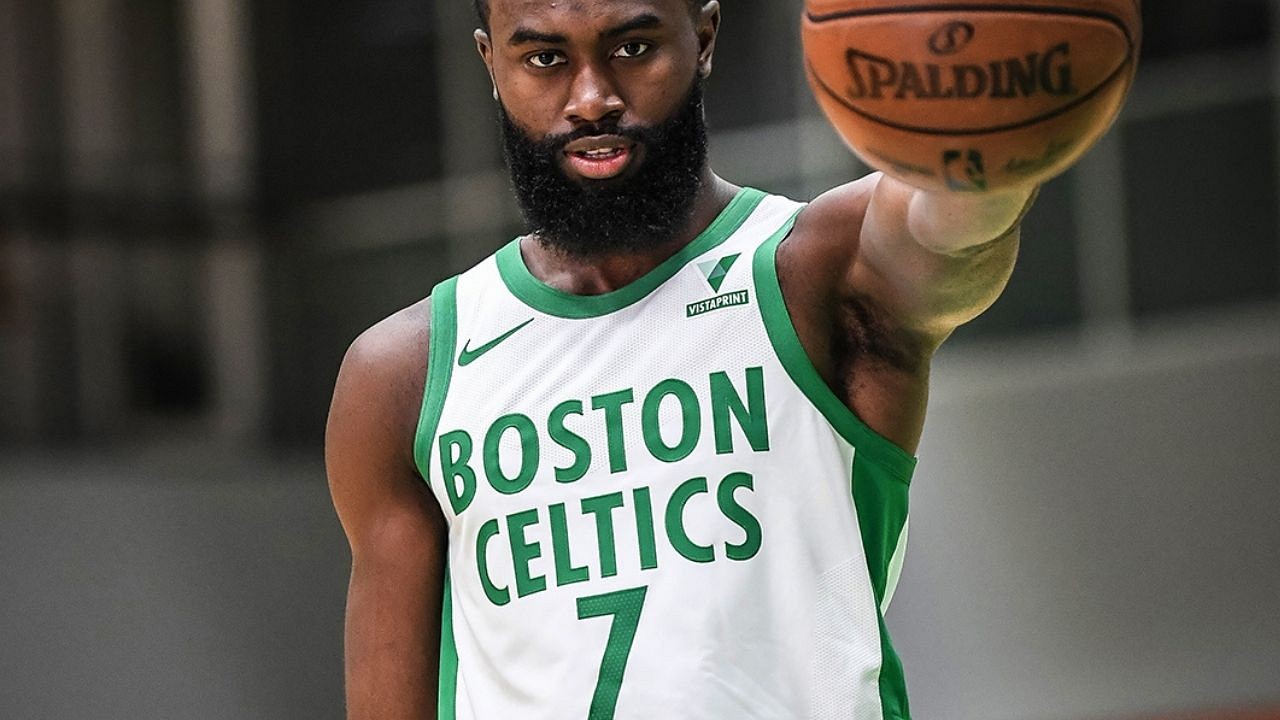
It’s easy to cut Kemba slack on this front, and tie the lower output to the injury. (Puts on doctor’s robe, glasses, and a stethoscope for good measure) Mr. Ainge, we have good news, and we have 2 items of bad news. We’ll start with some negative information - your city edition uniforms are BORING. If you change to jerseys that say WICKED SMAHT on them (bonus points if Marcus Smart wears “Smaht on the back), countless patients’ lives will be saved by pure joy.
The bad news doubles as good news - depending on how you look at it. Kemba’s struggles do not appear to be caused by the injury. Many patients experiencing Mr. Walker’s symptoms suffer from Can’t-Create-Shots/Space-Because-They’re-Unable-To-Move-Well-Itis. Upon further examination, your point guard does not have this issue.
Instead, Kemba gets the looks, with his handle looking as clean as ever. He gets a healthy diet of these open jumpers as a result of that A+ dribbling ability, shooting nearly 50% of his baskets with at least 4 feet of separation, per nba.com. Even when he gets space that claustrophobes would happily occupy, his shot doesn’t go in, shooting 40.9% with the closest defender 4-6 feet away, and 43.5% when the nearest opponent is over two yards away.
In Dallas, Kemba could set up shop at the goal line at Jerry World (I should probably say AT&T Stadium, but I prefer what sounds like the name of amusement park for toddlers to a corporate arena), with no Jalen Brunson within a lasso grab, and the bucket still refused to open. Against Washington, his speedy blow-by on Russell Westbrook handed him an open path to the rim, and an uncontested layup, but Walker couldn’t hit. Scoring inside is one of Kemba’s weaknesses, with StatMuse finding he shoots about 10% below league average in the vicinity of the restricted area.
Health isn’t the most urgent factor in a potential decline for Kemba Walker. Obviously, with how aging works, the NYC native will see his terrific speed deteriorate. For now, that isn’t an issue, using that agility to create for teammates, tying Jayson Tatum with 4.4 APG at the top of the Celtics assist leaderboard, also putting up those figures on a better than 2:1 assist-turnover ratio. As we can see from the frequency of open shots, Kemba also generates open looks for himself, but can’t drain them. The 40.7% 3 point percentage at home lends many hope that he can carry those quantities on the road. For now, it seems wise to sell stock in Kemba - if he can’t make the spacious looks right now, I don’t want to see what it looks like when he no longer has the hurtling speed to even have those opportunities.
Quick Side Note/Tangent to end the column:
In considering players that drop off/could drop off such as Griffin and Walker, I dug up some sabermetrics on the king of falling off a performance cliff: John Travolta.
Since 2015, Travolta has made 9 movies. 4 ended with 0% Rotten Tomatoes scores. In his endeavors from 2009 on, 14 of his 15 films met Rotten scores. The exception? “In A Valley Of Violence,” an Ethan Hawke film in which Travolta was a member of the supporting cast. It grossed under $62,000, and received an audience of 51%. And who could forget Gotti, which received a 0% Rotten Tomatoes score after Travolta expected it to win him an Oscar nomination.
Thanks for reading. See y’all later this week for some golf
Comments
Post a Comment